
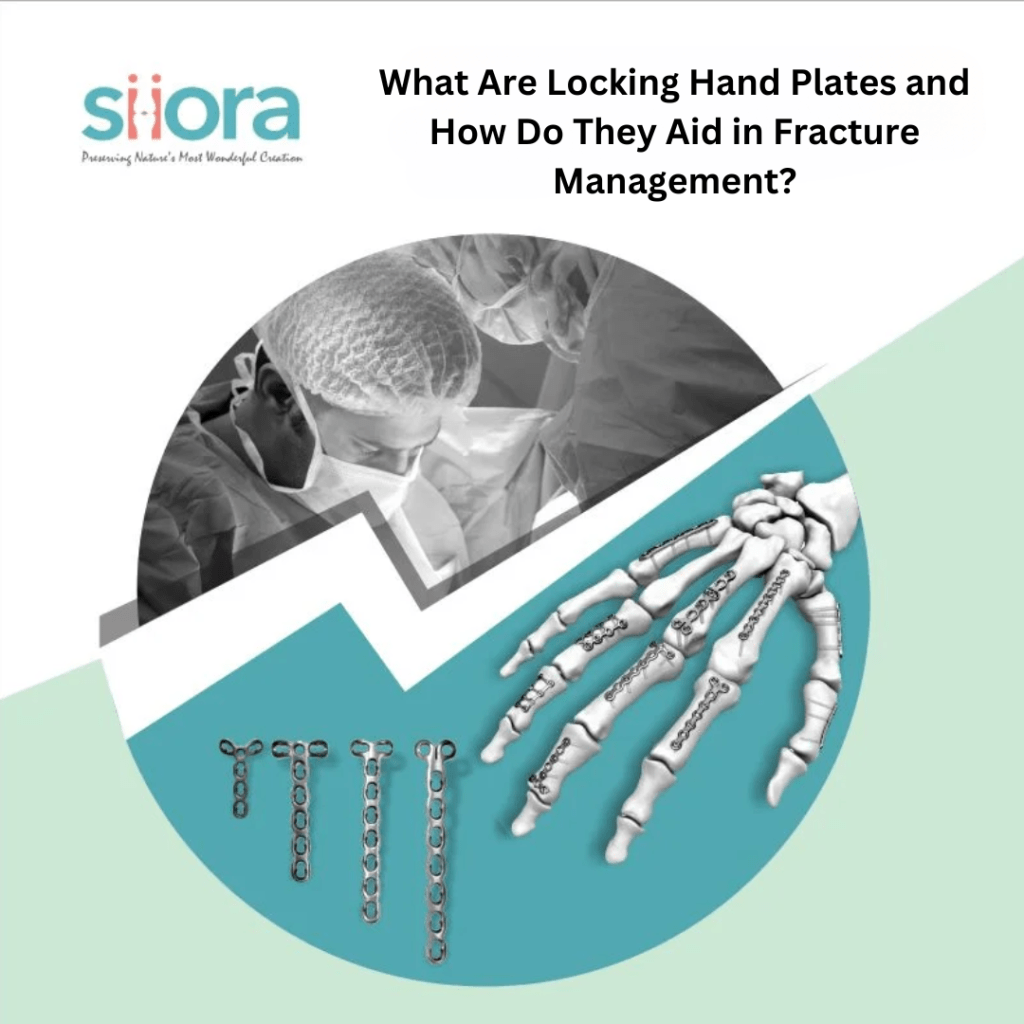
When it comes to treating fractures, especially in delicate areas like the hand, choosing the right surgical hardware can make all the difference in recovery and long-term functionality. One of the most innovative advancements in orthopedic surgery is the use of locking hand plates. These specialized implants have transformed fracture management, offering enhanced stability, improved healing, and better patient outcomes.
Understanding Locking Hand Plates
Locking hand plates are orthopedic implants designed to stabilize broken bones in the hand and wrist. Unlike traditional plates, which rely solely on compression between the plate and bone, locking plates have screw holes with threads that allow screws to lock directly into the plate. This unique mechanism creates a fixed-angle construct that provides superior stability, even in fragile or osteoporotic bones.
Typically made from biocompatible materials like titanium or stainless steel, locking plates are contoured to match the anatomy of hand bones. Their design minimizes disruption to surrounding tissues, reducing the risk of complications and promoting faster healing.
The Science Behind Locking Plates
In conventional plating systems, screws press the plate against the bone, relying on friction for stability. If the bone quality is poor or the fracture is complex, this friction-based fixation may fail, leading to screw loosening or loss of alignment.
Locking plates, however, create a rigid, fixed-angle construct. When a screw locks into the plate, it forms a stable unit that doesn’t rely on bone compression. This design distributes mechanical loads more evenly, reducing stress on individual screws and minimizing the risk of failure. It’s especially beneficial for comminuted fractures (where the bone breaks into multiple pieces) or in patients with weakened bones due to conditions like osteoporosis.
Benefits of Locking Hand Plates in Fracture Management
- Enhanced Stability: The fixed-angle mechanism prevents screw loosening and maintains fracture alignment, even in small or fragmented bones.
- Preserved Blood Supply: Traditional plates can disrupt periosteal blood flow, potentially delaying healing. Locking plates, which don’t require tight compression against the bone, help preserve blood supply to promote faster recovery.
- Reduced Need for Bone Grafting: In cases of bone loss or severe fragmentation, locking plates can bridge gaps and stabilize fractures without needing additional bone grafts.
- Improved Outcomes in Osteoporotic Patients: For patients with weakened bones, locking plates provide reliable fixation that compensates for poor bone quality.
- Minimized Soft Tissue Damage: Locking plates are often lower profile and anatomically shaped, reducing irritation and the need for extensive soft tissue dissection.
Applications of Hand Locking System in Hand Surgery
Locking hand plates are used to treat a variety of fractures, including:
- Metacarpal and Phalangeal Fractures: These plates offer precise alignment and stability for small, intricate bones.
- Intra-Articular Fractures: Locking plates help maintain joint alignment and function, reducing the risk of post-traumatic arthritis.
- Non-Unions and Malunions: For fractures that fail to heal properly, locking plates can realign and stabilize the bone to encourage proper healing.
The Surgical Process
During surgery, the fractured bone is carefully realigned, and the plate is contoured to fit the bone’s shape. Locking screws are inserted, securing the plate in place without compressing the bone excessively. Post-surgical rehabilitation is often required to restore strength and mobility, but the enhanced stability of locking plates can expedite this process.
Conclusion
Locking hand plates represents a significant advancement in orthopedic trauma care, particularly for complex or high-risk fractures. Their unique design offers unparalleled stability, preserves bone blood supply, and improves outcomes for patients with compromised bone quality. As technology continues to evolve, locking plates will likely remain a cornerstone of modern fracture management, helping patients regain function and return to their daily activities with confidence.
Whether you’re a patient exploring treatment options or a medical professional seeking to stay updated on the latest surgical innovations, understanding the role of locking hand plates is key to appreciating how far fracture management has come, and where it’s headed next.
For an international standard range of hand locking system and other trauma implants, connect with Siora Surgicals Pvt. Ltd., a renowned orthopedic manufacturer in India. The company is also going to exhibit its advanced and new range of orthopedic implants including spine implants and CMF at the FIME Show 2025.
 Siora Surgicals Pvt. Ltd
Leave a comment