
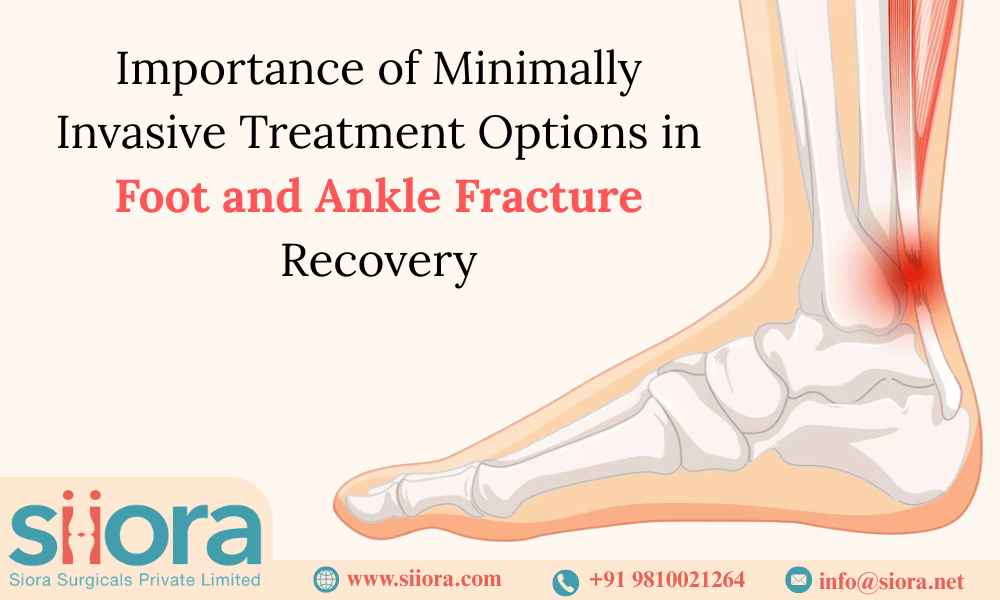
When you think about fractures, especially those involving the foot and ankle, the first image that probably comes to mind is a bulky cast, a long recovery period, and a painful rehabilitation journey. For years, that was the reality. But with the evolution of modern medicine, things are changing—quietly, effectively, and for the better. One of the most significant breakthroughs in orthopedic care is the rise of minimally invasive treatment options and improved foot plates & screws.
So, what exactly does that mean, and why is it such a game changer for foot and ankle fracture recovery?
Understanding Minimally Invasive Treatments
Minimally invasive procedures are just what they sound like, treatments that involve smaller incisions, fewer stitches, and less disruption to the body’s tissues. Compared to traditional open surgery, these procedures use specialized tools and techniques, often assisted by imaging technology, to access and repair fractured bones with precision and care.
For foot and ankle injuries, this approach can include techniques like arthroscopy, percutaneous fixation (using small pins or screws through the skin), and limited open procedures that avoid cutting through muscles and ligaments unnecessarily.
Why It Matters: Benefits Beyond the Operating Room
The importance of minimally invasive treatments goes far beyond the surgical suite. It impacts every phase of the healing process. Here’s how:
Faster Recovery Times
Because these procedures avoid large incisions and major tissue damage, the body doesn’t have to work as hard to heal. This means patients can often return to walking, working, or even playing sports much sooner than with traditional surgery. For someone who leads an active life or has job responsibilities, this quicker turnaround can be a lifesaver.
Reduced Pain and Swelling
Let’s be honest, nobody likes pain. Traditional open surgeries tend to cause significant post-operative discomfort due to muscle trauma and tissue damage. Minimally invasive procedures, by their very nature, minimize this disruption, leading to less pain, less swelling, and often, a reduced need for strong pain medications.
Lower Risk of Complications
Smaller incisions mean fewer opportunities for infection, less blood loss, and lower chances of wound complications. This is especially beneficial for individuals with health conditions like diabetes, where healing can already be a challenge.
Smaller Scars, Better Cosmesis
Although it may seem superficial, appearance matters to many people. With minimally invasive techniques, the scars are smaller and far less noticeable. This might not affect the function of your ankle or foot, but it can certainly make you feel better about the whole process.
Improved Long-Term Function
Because these procedures focus on preserving the natural structure and movement of the foot and ankle, patients often regain better function in the long run. By reducing trauma to surrounding soft tissue, there’s also less stiffness and muscle atrophy, helping people return to their normal stride faster and more comfortably.
A Personalized Approach
Of course, not every fracture can be treated with a minimally invasive approach. The choice depends on the type of injury, its severity, and the patient’s overall health and lifestyle. That’s why it’s crucial to work closely with an experienced orthopedic surgeon who can tailor the treatment plan to your unique situation.
The good news? More and more surgeons are now trained in these advanced techniques, and the technology continues to improve.
In Conclusion
The importance of minimally invasive treatment options in foot and ankle fracture recovery lies in one simple truth: healing doesn’t have to mean suffering. With the right approach, patients can recover faster, hurt less, and return to their lives with confidence and strength.
Explore cutting-edge trauma implants and other medical products exhibited by hundreds of global companies at the FIME Show 2025.
 Siora Surgicals Pvt. Ltd
Leave a comment