
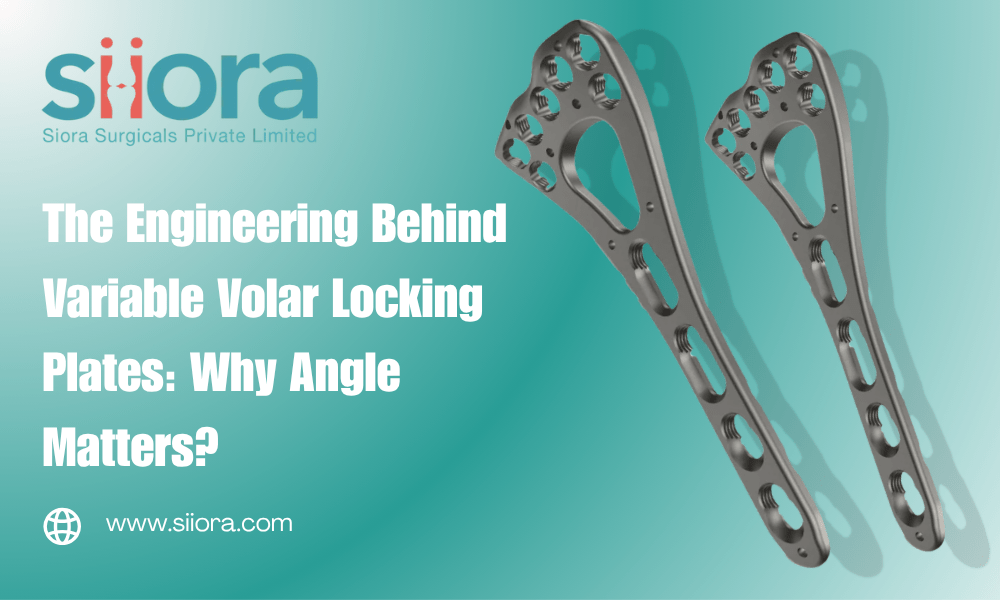
When it comes to repairing distal radius fractures, the ones that happen near the wrist, variable angle locking plates are a game-changer. These devices aren’t just slabs of titanium; they’re precisely engineered to fit the complex curves of human anatomy and accommodate the unpredictable nature of fractures. One of the most critical aspects of their design? The angle.
A Quick Look at the Basics
First, what is a volar locking plate? It’s a metal plate surgeons attach to the inside (volar side) of the wrist to hold broken bone fragments in place. Standard plates use fixed-angle screws, which go in at set trajectories. That’s fine for simple breaks. But real life isn’t always that clean. Bones can shatter in odd directions, especially in older adults with low bone density.
That’s where variable-angle technology steps in.
Why Angle Flexibility Changes the Game?
Imagine trying to screw a shelf to a wall, but you can only drill straight in. Now imagine being able to choose the angle of every screw. That flexibility makes all the difference when things don’t line up perfectly.
Variable angle plates allow the surgeon to angle the screws, usually within a 15° cone in any direction, so they can target specific fragments of bone. This ability reduces the risk of missing small or oblique fragments, which, if left unsupported, can delay healing or cause long-term issues with wrist movement.
The freedom to angle screws gives surgeons a toolkit to deal with the unique geometry of each fracture. No two breaks are alike, and these variable angle plates respect that.
The Engineering Challenge: Strength vs. Flexibility
From an engineering standpoint, this is a tricky balance. You want a system that gives the surgeon flexibility without sacrificing strength. Screws that can go in at variable angles need to lock into the plate just as securely as fixed-angle screws.
These plates achieve this through threaded holes in the plate that interface with the screw heads. These holes have a specially designed thread pattern that grips the threads on the screw head at multiple contact points. Think of it like a ball-and-socket joint, but with threads. This secure “locking” mechanism means the screw won’t wiggle or back out over time.
The engineering behind this design requires precision manufacturing. The tolerances are tight. If the threads aren’t cut just right, the locking mechanism could fail under load. And when you’re relying on that plate to hold bones together during healing, failure isn’t an option.
Real-World Benefits: Not Just for Surgeons
For patients, this tech translates into fewer complications and better outcomes. When the screws can be angled to fit the fracture, the bones line up better. That means faster healing, less pain, and quicker return to normal activities. It also reduces the risk of secondary surgeries due to poor fixation.
For surgeons, variable-angle plates offer a safety net. They can work around anatomical quirks or tough fracture patterns without resorting to workarounds or compromising stability.
Looking Ahead
As material science and manufacturing methods continue to evolve, the engineering behind variable locking plates is likely to get even better. Expect lighter plates, smarter designs, and integration with preoperative planning software that lets surgeons map out screw angles before they even pick up a drill.
In the end, variable angle volar locking plates are a perfect example of what happens when medicine and engineering work in sync. The angle matters, not just because of physics, but because every patient’s body is a little bit different. And the more we design with that in mind, the better the outcomes for everyone.
 Siora Surgicals Pvt. Ltd
Leave a comment