
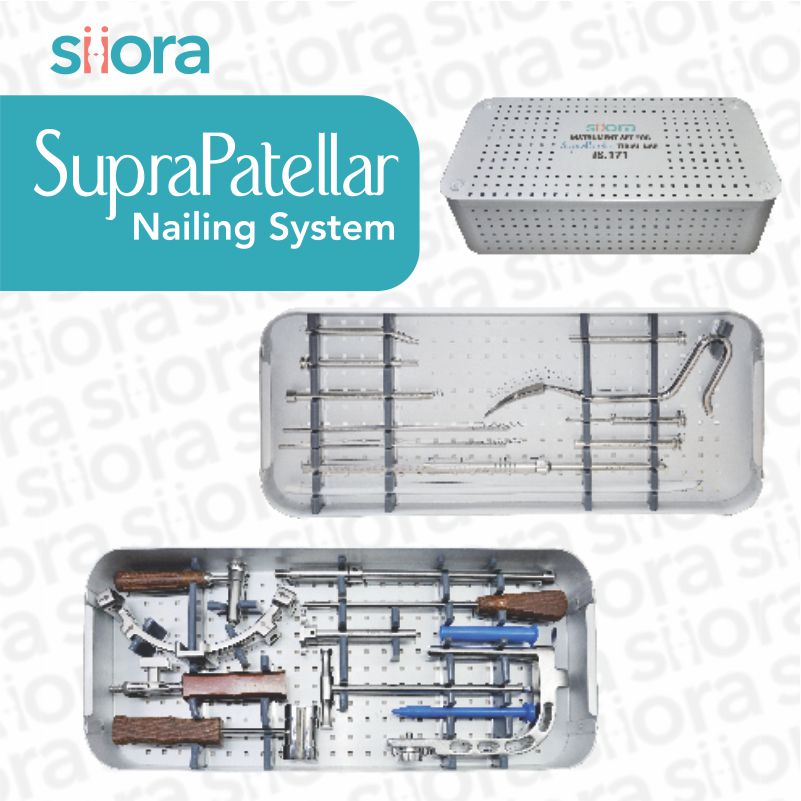
If you or someone you know has suffered a tibial shaft fracture, you might have come across the term suprapatellar nailing. This technique has made a real difference in orthopedic surgery. Whether you’re a patient preparing for surgery or just curious about modern treatment methods, here’s what you should know.
Understanding Tibial Shaft Fractures
The tibia, or shinbone, is one of the most commonly fractured long bones in the human body. It bears most of our body weight and plays a vital role in mobility. When this bone breaks, whether due to high-impact trauma like road accidents or sports injuries, it needs precise, stable alignment for proper healing. One of the most reliable surgical solutions for such fractures is intramedullary nailing.
Traditional vs. Suprapatellar Approach
Traditionally, tibial nailing is done through an infrapatellar approach, which involves inserting the nail below the kneecap while the patient’s knee is flexed. While effective, this method can sometimes pose difficulties. Flexing the knee can distort the fracture alignment, especially in proximal (upper) third fractures, and can lead to complications like anterior knee pain post-surgery.
This is where the suprapatellar nailing technique offers a significant advantage.
What is Suprapatellar Nailing?
Suprapatellar nailing involves inserting the intramedullary nail through an entry point above the kneecap (patella), while the knee is maintained in a semi-extended position. A specialized surgical sheath or portal protects the joint as the surgeon works within the patellofemoral space (the area behind the kneecap).
The biggest difference here is the position of the knee. Keeping it straight or only slightly bent helps maintain the natural alignment of the leg, reducing the chances of malalignment and improving overall outcomes.
Why is It Gaining Popularity?
In recent years, suprapatellar nailing has gained traction among orthopedic surgeons, and for good reason. Here are some of its notable benefits:
- Better Alignment: Especially useful for fractures in the upper third of the tibia, where traditional methods often struggle.
- Less Pain Post-Surgery: Some studies suggest patients experience reduced anterior knee pain, likely due to less trauma to the patellar tendon.
- Improved Surgical Access: The semi-extended position offers a more direct line of access to the bone, making it easier to insert the nail accurately.
- Reduced Need for Manipulation: Surgeons can align and fix the fracture with fewer adjustments during surgery, which reduces operative time and risks.
Are There Any Risks?
Like all surgical procedures, suprapatellar nailing isn’t without its concerns. One debated issue is the potential damage to the knee joint’s cartilage since the nail is inserted through the joint space. However, with proper instruments and techniques, such as using protective sleeves, these risks are minimized.
Moreover, as with any surgery, there’s always a risk of infection, bleeding, or delayed healing, but these risks are not unique to the suprapatellar method.
Who is a Good Candidate?
Not every tibial fracture requires suprapatellar nailing. This approach is particularly suited for:
- Proximal third tibial fractures
- Comminuted or segmental fractures
- Patients where maintaining proper alignment during surgery is challenging
Your orthopedic surgeon will decide the best approach based on the fracture pattern, your anatomy, and your overall health.
Final Thoughts
Suprapatellar nailing represents a shift toward more patient-friendly and technically efficient surgical methods for tibial shaft fractures. With reduced complications and better outcomes in selected cases, it’s becoming a preferred choice for many surgeons across the globe.
If you or a loved one is facing tibial surgery, don’t hesitate to ask your surgeon about the suprapatellar approach. Understanding your options and the reasons behind surgical choices can make a big difference in your recovery and peace of mind.
Learn about the advancements in the healthcare industry, including the orthopedic sector, at Medica Germany 2025.
 Siora Surgicals Pvt. Ltd
Leave a comment