
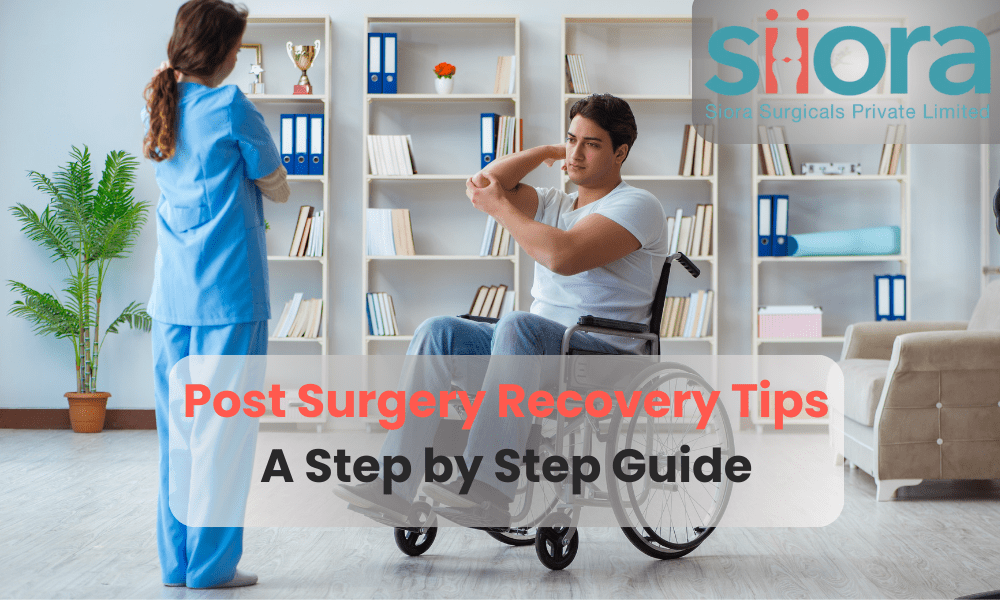
Recovering from surgery is a journey, and whether you’ve undergone a complex procedure like PFNA 2 Nails placement or a more straightforward orthopedic surgery, proper recovery is key to regaining strength and mobility. The road to recovery may seem challenging at first, but with the right approach and mindset, you can ease through it. In this step-by-step guide, we’ll share valuable tips to help you heal efficiently and safely after surgery.
Follow Your Surgeon’s Instructions
After surgery, the first and most important step is to adhere to your surgeon’s post-operative instructions. These guidelines are tailored to your specific procedure, ensuring the best possible recovery. Whether it’s for PFNA 2 Nails or another orthopedic treatment, instructions might include how to care for your surgical site, restrictions on weight-bearing activities, and follow-up appointments to monitor your progress.
It’s crucial to keep track of any prescribed medications, physical therapy exercises, or dietary recommendations. If you have questions or concerns, don’t hesitate to reach out to your surgeon. Open communication is essential to your healing.
Rest and Elevation
Proper rest is necessary for your body to heal. While it might feel tempting to jump back into your regular activities, give yourself time to rest, especially in the initial days after surgery. Rest helps minimize inflammation, reduces strain on your healing body, and allows your body to redirect energy toward tissue repair.
For orthopedic surgeries, such as those involving PFNA 2 Nails, you may be advised to keep your injured limb elevated for the first few days. Elevation helps reduce swelling and discomfort, making your recovery process smoother. Be sure to use pillows or cushions to keep your leg at the proper angle to avoid additional strain.
Manage Pain Effectively
Pain management is important when it comes to recovery. While some discomfort after surgery is normal, it’s important to keep it within a manageable range. Your doctor will prescribe pain relief medications, which may include opioids for short-term relief or non-opioid medications for longer-term management.
Make sure to take your medication exactly as prescribed. Overuse of painkillers can lead to dependency and other issues, so only take what’s necessary. In addition to medication, natural remedies such as applying ice packs to the surgical site or using heat pads can provide comfort and help alleviate pain.
Stay Active (But Don’t Overdo It)
Once your surgeon clears you for movement, it’s important to gradually reintroduce physical activity. Early movement can improve circulation, reduce stiffness, and prevent muscle atrophy. However, overexerting yourself can cause setbacks, so it’s crucial to listen to your body.
Start with gentle range-of-motion exercises or walking, as advised by your physical therapist. As you gain strength, you can increase the intensity of your activities, but always consult with your doctor or therapist before progressing.
Nutrition Plays a Key Role
Nutrition plays a vital role in your recovery. Eating a balanced diet can accelerate healing, strengthen your bones, and reduce inflammation. Focus on a diet rich in protein, which helps repair tissues, and ensure you’re getting enough vitamins and minerals like vitamin C, vitamin D, calcium, and zinc.
Your body also needs hydration to function optimally, so drink plenty of water throughout the day. A nutritious diet not only fuels your body’s recovery but also supports your immune system, helping to avoid infections post-surgery.
Watch for Signs of Complications
While complications aren’t always preventable, being proactive and vigilant about your recovery can help catch them early. Signs of infection, such as redness, swelling, or increased pain at the surgery site, should be addressed immediately. Additionally, if you experience fever, unusual discharge, or difficulty moving the operated area, contact your healthcare provider right away.
Prevention is key, and you can reduce your risk by following proper wound care instructions, attending follow-up appointments, and maintaining a healthy lifestyle.
Stay Positive and Be Patient
Recovery takes time, and it’s important to remain patient with yourself during this phase. Healing is a gradual process, and every small achievement should be celebrated. The psychological aspect of recovery is just as important as the physical. Stay positive, surround yourself with supportive family and friends, and focus on the progress you’ve made.
Lastly, don’t hesitate to reach out for support when needed, whether it’s from a counselor, physical therapist, or support group. A positive mindset is a valuable asset during recovery.
Conclusion
While the recovery journey after surgery may seem overwhelming at first, following these essential tips can help smooth your path. From resting and managing pain to staying active and nourishing your body, every step you take brings you closer to full recovery. Be patient with yourself, and trust in the process—your body is working hard to heal and regain strength.
Register for the AAOS Annual Meeting 2025 and learn about the advancements in the orthopedic industry while exploring cutting-edge solutions.


 Siora Surgicals Pvt. Ltd