
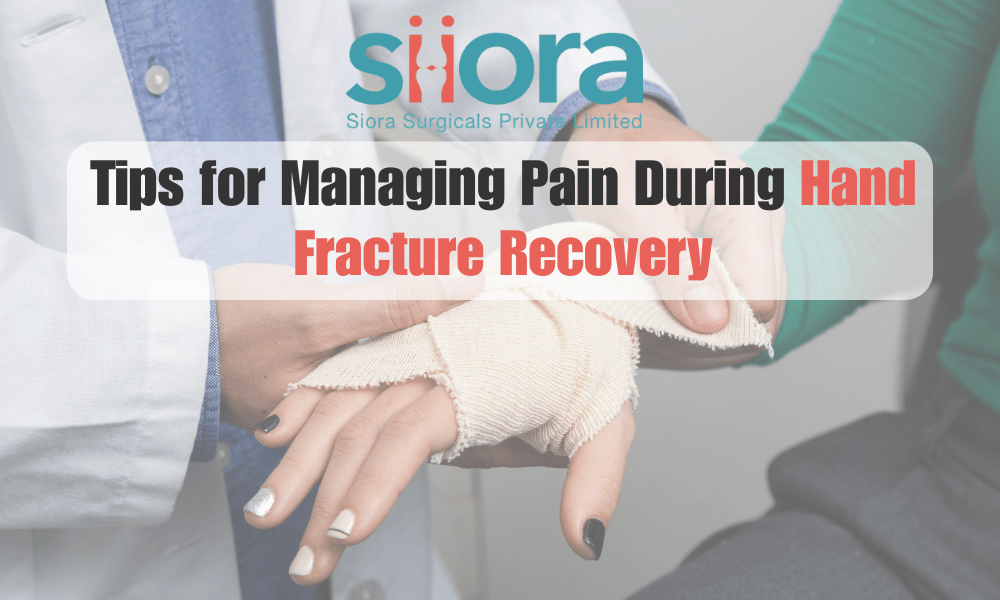
Recovering from a hand fracture can be a frustrating and uncomfortable experience. Whether the injury happened due to a fall, sports accident, or another trauma, managing pain effectively is a crucial part of the healing process. In many cases, surgical intervention might include the use of a hand plate, a small orthopedic implant used to stabilize the fractured bones and promote faster recovery. But surgery is only the beginning; post-operative care, especially pain management, plays a vital role in how well and how quickly you heal.
Here are some human-centric, practical tips to help you manage pain and discomfort during your hand fracture recovery:
How to Manage Pain During Hand Fracture Recovery?
- Follow Your Doctor’s Instructions Closely
This might seem obvious, but it’s the most important step in pain management. Your doctor knows the nature of your fracture and has tailored your treatment plan accordingly. This includes prescribed medications, use of splints or casts, wound care (if you’ve had surgery), and scheduled follow-ups. Never self-medicate or adjust your dosage without consulting your physician.
- Use Pain Medications Wisely
After a fracture, pain is expected. Most doctors prescribe a combination of over-the-counter (OTC) pain relievers like ibuprofen or acetaminophen. If the pain is severe, a short-term course of prescription painkillers may be provided. Be sure to take your medications on time—waiting too long may cause your pain to escalate and make it harder to control.
Important tip: If you’re taking NSAIDs (like ibuprofen), avoid taking them on an empty stomach, as they can irritate the stomach lining.
- Apply Cold Compresses in the Early Days
During the first 48 to 72 hours after the injury or surgery, applying an ice pack can help reduce swelling and numb the pain. Wrap the ice in a towel to avoid frostbite and apply it for 15–20 minutes at a time. Repeat every couple of hours for the first few days. Just be cautious not to get your cast or bandage wet.
- Elevate Your Hand Regularly
Keeping your injured hand elevated above the level of your heart, especially in the first few days, helps minimize swelling and pressure. Less swelling usually equals less pain. Use pillows to keep your hand raised when lying down or resting. Even when seated, try to support the arm on cushions or an elevated armrest.
- Practice Gentle Movement and Finger Mobility
Unless your doctor advises complete immobility, try to keep your fingers gently moving. This helps maintain circulation, reduce stiffness, and prevent long-term joint issues. Simple finger stretches or gentle fist-making can go a long way. However, never force any movement that causes pain.
- Watch for Signs of Complications
Sometimes pain can indicate something more serious. If your pain suddenly worsens, or if you experience numbness, tingling, or a cold feeling in your hand, contact your doctor immediately. These could be signs of nerve damage, poor blood flow, or improper healing that needs urgent attention.
- Eat Nutrient-Rich Foods for Bone Healing
Good nutrition supports both bone repair and overall recovery. Include plenty of calcium-rich foods like dairy, almonds, and leafy greens. Vitamin D, magnesium, and protein also play a critical role in bone health. Staying well-hydrated helps manage inflammation and aids the healing process.
- Consider Physical Therapy (When Advised)
Once your doctor gives the green light, a physiotherapist can guide you through hand-strengthening and flexibility exercises. This not only helps restore function but can reduce residual pain and stiffness. Properly guided therapy prevents long-term limitations in hand use.
- Stay Mentally Strong and Patient
Pain during recovery is not just physical; it also takes a mental toll. Frustration, restlessness, and even mild depression are common when your mobility is restricted. Keep your mind engaged with light activities you can do with your non-injured hand, and practice relaxation techniques like deep breathing or meditation to help manage both stress and discomfort.
Final Thoughts
Pain during hand fracture recovery is inevitable, but manageable. With the right combination of medical care, home strategies, and patience, you can reduce discomfort and support the healing process. Don’t hesitate to reach out to your healthcare team if anything feels off; they’re there to help you heal safely and comfortably.
To get an international standard range of orthopedic devices, explore the inventory of Siora Surgicals Pvt. Ltd. Based in India, the company has been operating for over 3 decades with a presence in 50+ countries. Siora is also seeking a reliable orthopedic implant distributor in USA to expand its international market reach.


 Siora Surgicals Pvt. Ltd